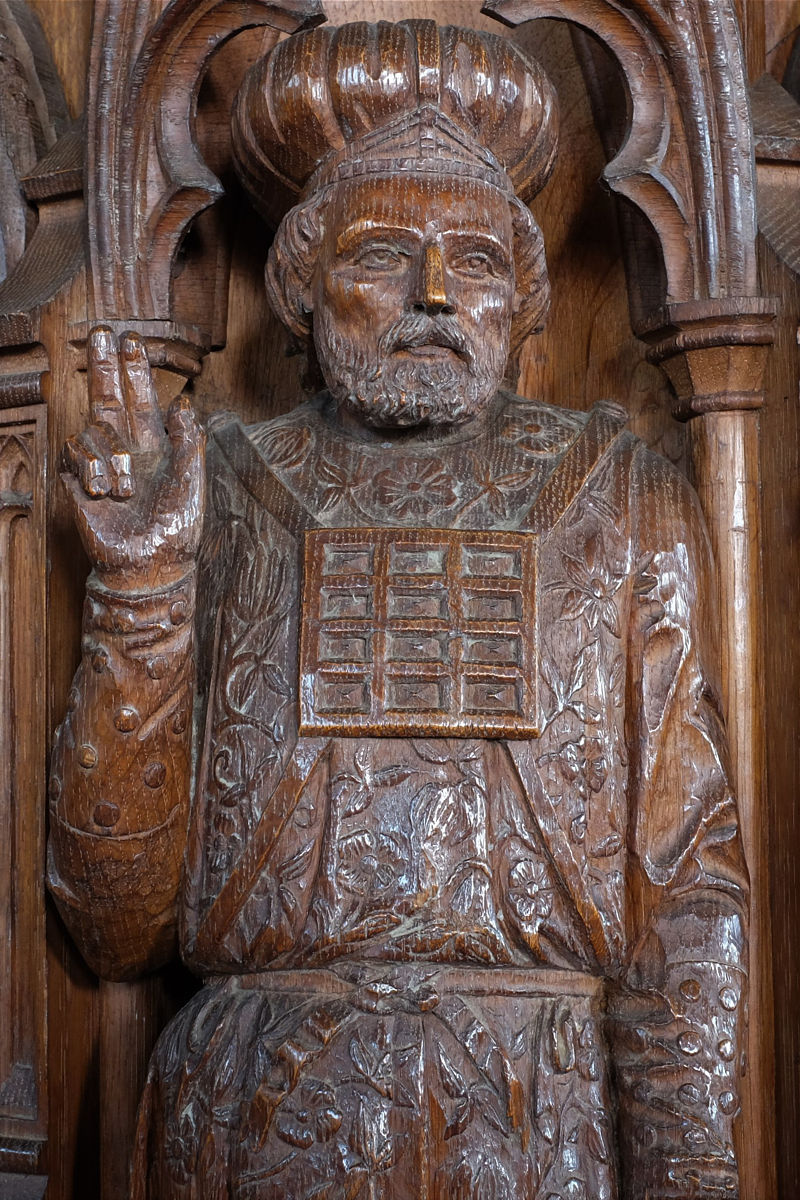
Kellie Castle lies beyond the fishing village of Pittenweem in Scotland. Originally built in the twelfth century, it was leased to the prestigious Lorimer family in 1878. The Lorimers have been compared to a Renaissance dynasty; James Lorimer (1818-1890), was an eminent professor of law and his sons were the renowned architect Sir Robert Lorimer […]
Northumberland forms the northernmost region of England. Remote and sparsely populated, even today the very name of Northumberland conjures images of wild hills, untamed moorlands and craggy windswept coastline. Its history is swathed in the mists of time, being intertwined with that of the ancient kingdom of Northumbria, the Irish missionary monks of Lindisfarne, and […]
Ada Louise Lessore known as ‘Lalla’ to her family and close friends was one of a number of talented female Arts and Crafts designer-makers, including Georgina Gaskin and Edith Dawson, who are remembered primarily as part of a husband-and-wife team. She was however an established artist in her own right with a remarkable pedigree before […]
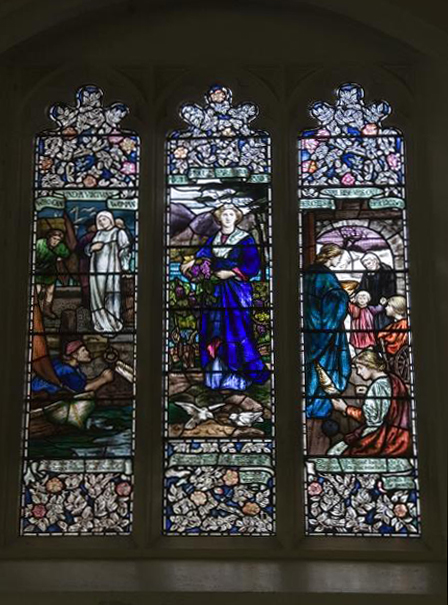
Mary Lowndes was an influential leader in the Arts and Crafts movement, for her stained glass work and for opening doors for other women stained glass artists.
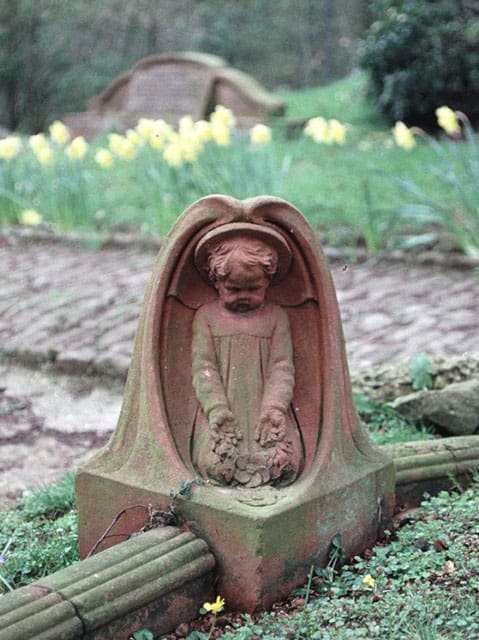
It was her work in terracotta that established Mary’s involvement with the Home Arts and Industries Association. In 1884, an undisclosed friend of the artist persuaded Mary to hold clay modelling classes, twice a week, at a ‘boys’ club’ in Whitechapel. The purpose, Mary recalled, was to give the boys, who were ‘chiefly shoeblacks, an […]
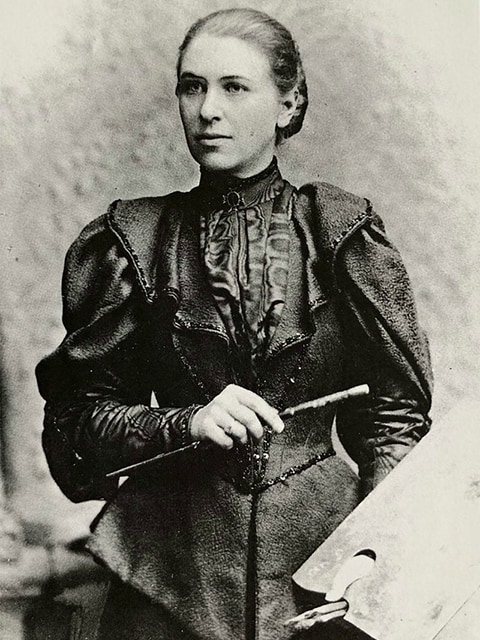
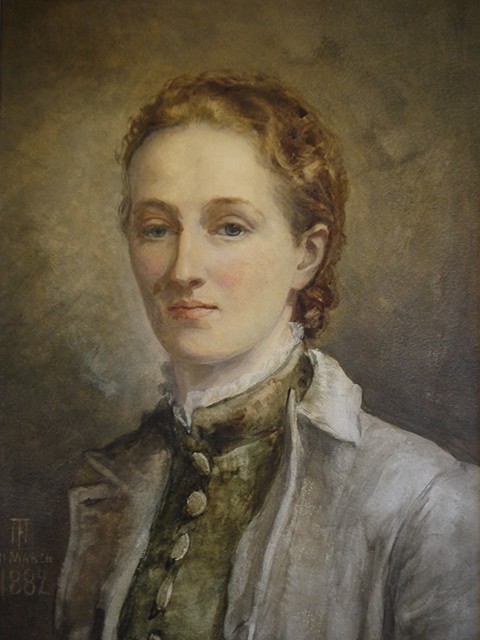
In her lifetime Phoebe Anna Traquair was known in Scotland for her mural decoration of three buildings in her adopted city of Edinburgh but in London her name was more associated with the studio crafts – embroideries, illuminated manuscripts and, from the 1900s, art enamelling. Born Phoebe Anna Moss in County Wicklow, Ireland, she had […]
The Pinwill sisters, Mary, Ethel and Violet, worked as professional woodcarvers from about 1889, first in Ermington and then Plymouth, Devon. They were three of seven daughters of the Revd Edmund Pinwill and his wife Elizabeth, who encouraged their daughters to learn woodcarving from a team of craftsmen who came to Ermington to restore the […]
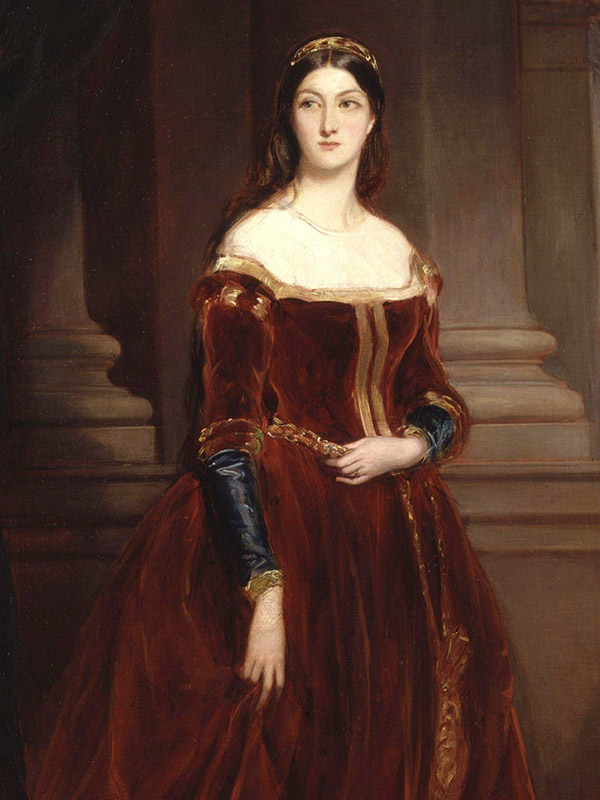
Sarah was a self-taught architect. She earlier had designed other smaller projects, most in and around Wreay. I have been to this building twice, each time with a different tour group.
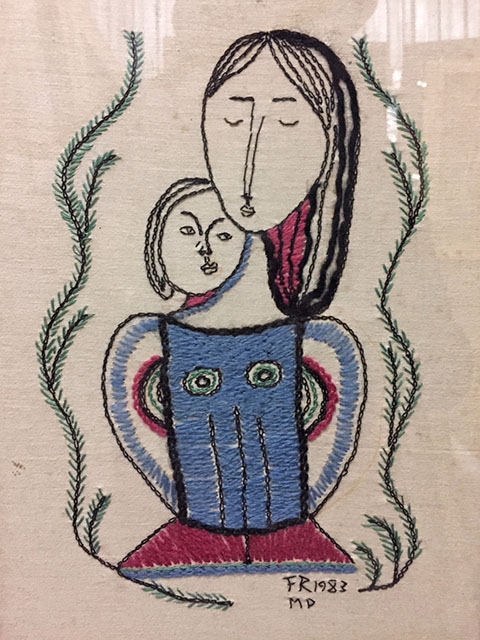
Embroidering A poem by Frances Richards (date unknown) She embroiders heads; small children sitting With spinning tops on blue velvet A light-footed dancer, delicately darned on lace With flowers, like a garden, as a background. Does she think as she sews her silks and velvet, That she is weaving a paradise of her own mind […]
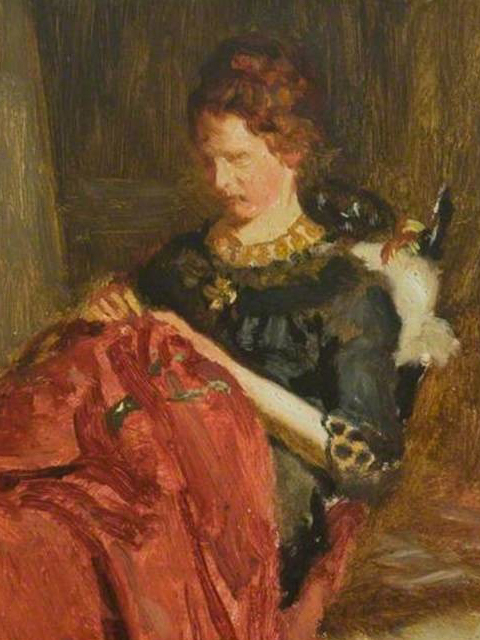
It was natural for women to play a crucial part in the development of textiles. During the Victorian period sewing and embroidery had been an acceptable homemade art worked quietly in private. The Arts and Crafts period however increased both the potential and public visibility of such crafts. Under the art school direction of enlightened […]
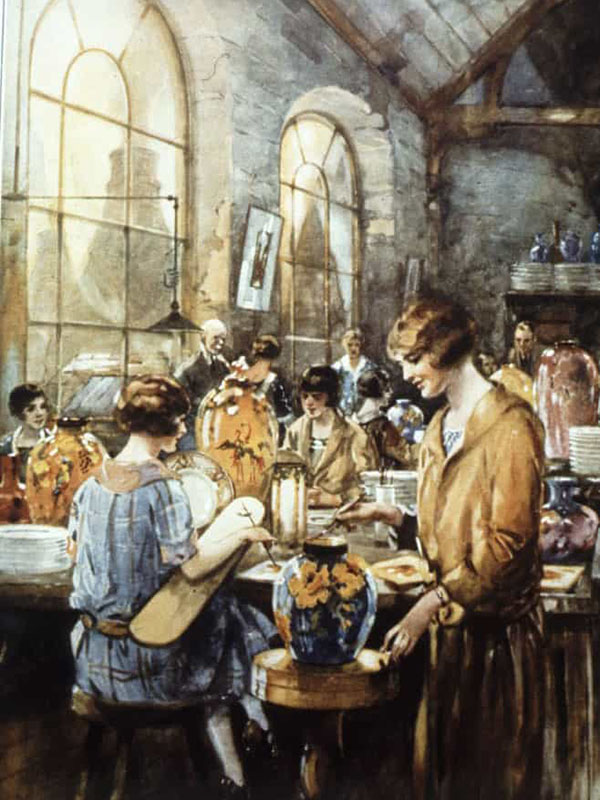
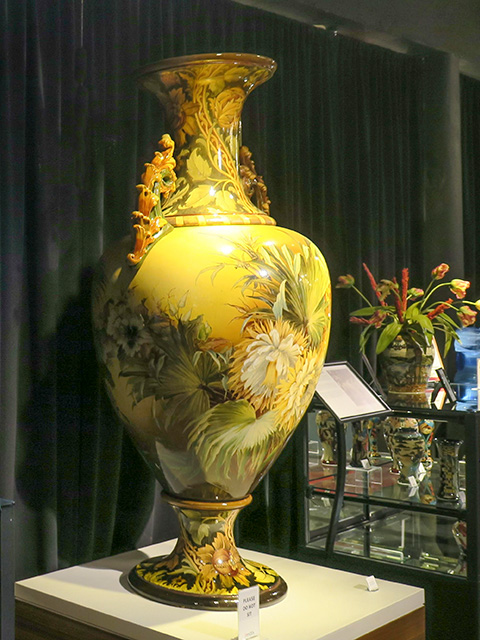
The role of women in the Staffordshire pottery industry contrasted greatly with the female artists at Henry Doulton’s art department in London. Doulton was concerned about working conditions in Burslem when he expanded his business there in 1877. As he said, “In Staffordshire, I have seen women and young girls employed in the most coarse […]
The Arts and Crafts Movement roughly encompasses most of the years of Queen Victoria’s reign until the end of the First World War (1840-1920). This range is important since it includes the strict educational discipline imposed by the National Course of Instruction and the impact of the ideological and physical struggle for Female Emancipation, not […]
During the Victorian era, the number of genteel young women obliged to seek employment became a pressing social problem. Many were not able to fulfill their natural destiny and marry Mr. Right as there were a million extra women of marriageable age in England. In Victorian times, a woman’s place was in the home as […]
In the late 19th century, more than 300 women found gainful employment at Doulton’s Lambeth art pottery in London. However, Henry Doulton believed that the “true sphere of woman is the family and household….” and his artists had to put down their paintbrushes when they married. Only occasionally did women continue to paint pottery for […]